
 2 months ago
Static Media
This article contains spoilers for "Spider-Man: Brand New Day."
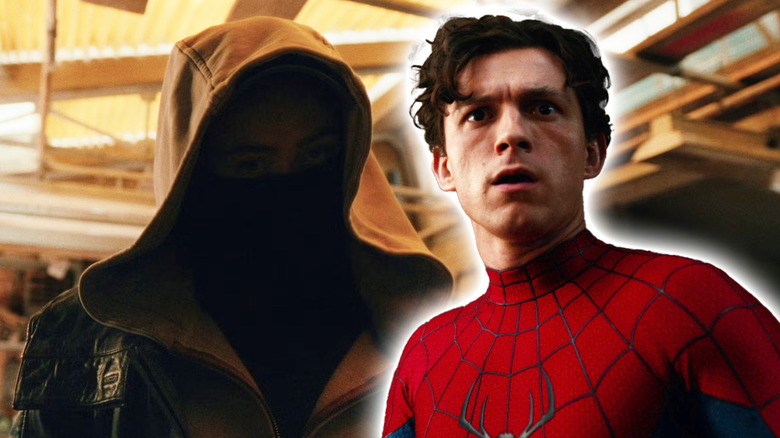
While "Spider-Man: Brand New Day" makes the identity of Sadie Sink's character into its central twist, the most dedicated Marvel fans weren't surprised by the answer. Sink is the redheaded telepath Jean Grey, specifically a version who hasn't joined the X-Men yet.
On July 31, the same day that "Brand New Day" opened, it was reported Marvel Studios has cast Samara Weaving as Emma Frost, a beloved "X-Men" antiheroine. If that's not a signal Marvel Studios is banking its future on the mutants (perhaps hopeful after the success of the animated revival series "X-Men '97"), I don't know what is.
But while Marvel fans may have expected Jean to be in the film, her role still carries a shocking twist: Jean doesn't team up with Spider-Man (Tom Holland) against some greater foe, she is the main antagonist of the movie. She has sympathetic reasons, wanting to rescue her sister Sara (Olivia Booth-Ford) from the Department of Damage Control and then lashing out when she learns Sara already died during human experimentation. But she still tears apart big chunks of New York City in the process.
Jean spends the first half of the movie hidden, taunting Spider-Man via living puppets strung up by her telepathy. In the third act, Peter has to talk her down from murder and convince her other people are worth saving. Her traumatic backstory sets up mutants to be feared, hated, and hunted, and could suggest the MCU's X-Men will all be troubled youngsters who need Professor X's guidance.
Crucially, though, Marvel fans know that Jean Grey has a dark side. Watching "Brand New Day," it's easy to see how this Jean could eventually let power transform her into a horrifying evil — the Dark Phoenix.
It's very easy to imagine Sadie Sink's Jean Grey becoming Dark Phoenix
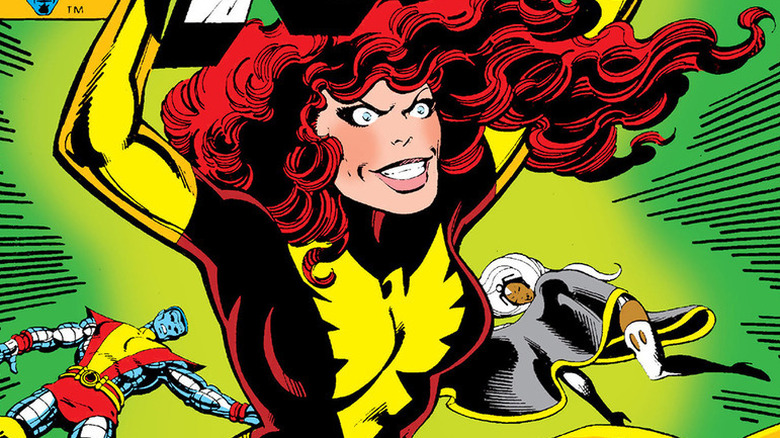
"The Dark Phoenix Saga" is arguably the most famous "X-Men" story of all, and it must be understood in its proper context. "X-Men" writer Chris Claremont, who came to the book at issue #94, spent years building up to the story, banking audience goodwill to do something genuinely transformative: turning one of the book's heroes, specifically the one who'd originally been written as a damsel in distress, into an all-powerful, genocidal villain.
Running through 1980 in "X-Men" #129-138 (all drawn by John Byrne), "Dark Phoenix" sees Jean overwhelmed by her own growing power and manipulated by the psychic villain Jason Wyngarde/Mastermind. She betrays the X-Men, destroys an entire solar system to feed on its sun, and ultimately ends her life rather than risk further destruction. It's a masterclass of serialized storytelling and one that film adaptations have bungled. "X2: X-Men United" set up Jean (Famke Janssen) to become the Phoenix, but "X-Men: The Last Stand" fumbled it at the finish line. Then, 2019's "Dark Phoenix" was also a bust.
If Marvel Studios eventually tries a third time to adapt "Dark Phoenix," it would do best to remember it's a saga demanding the scope of multiple films. It's also a story that requires you to embrace the wilder side of "X-Men" comics: the first half of the story features the X-Men held captive in the Hellfire Club's bondage dungeon, and the climax is them fighting the Shi'ar Imperial Guard on the moon. The often sexless MCU may shy away from the kinky themes and imagery of the comic, but it is at least capable of honoring the story's intergalactic scope in a way the previous "X-Men" films (which were scared of being too comic book-y) never could.
How the MCU could finally adapt the Dark Phoenix Saga properly
Marvel Comics
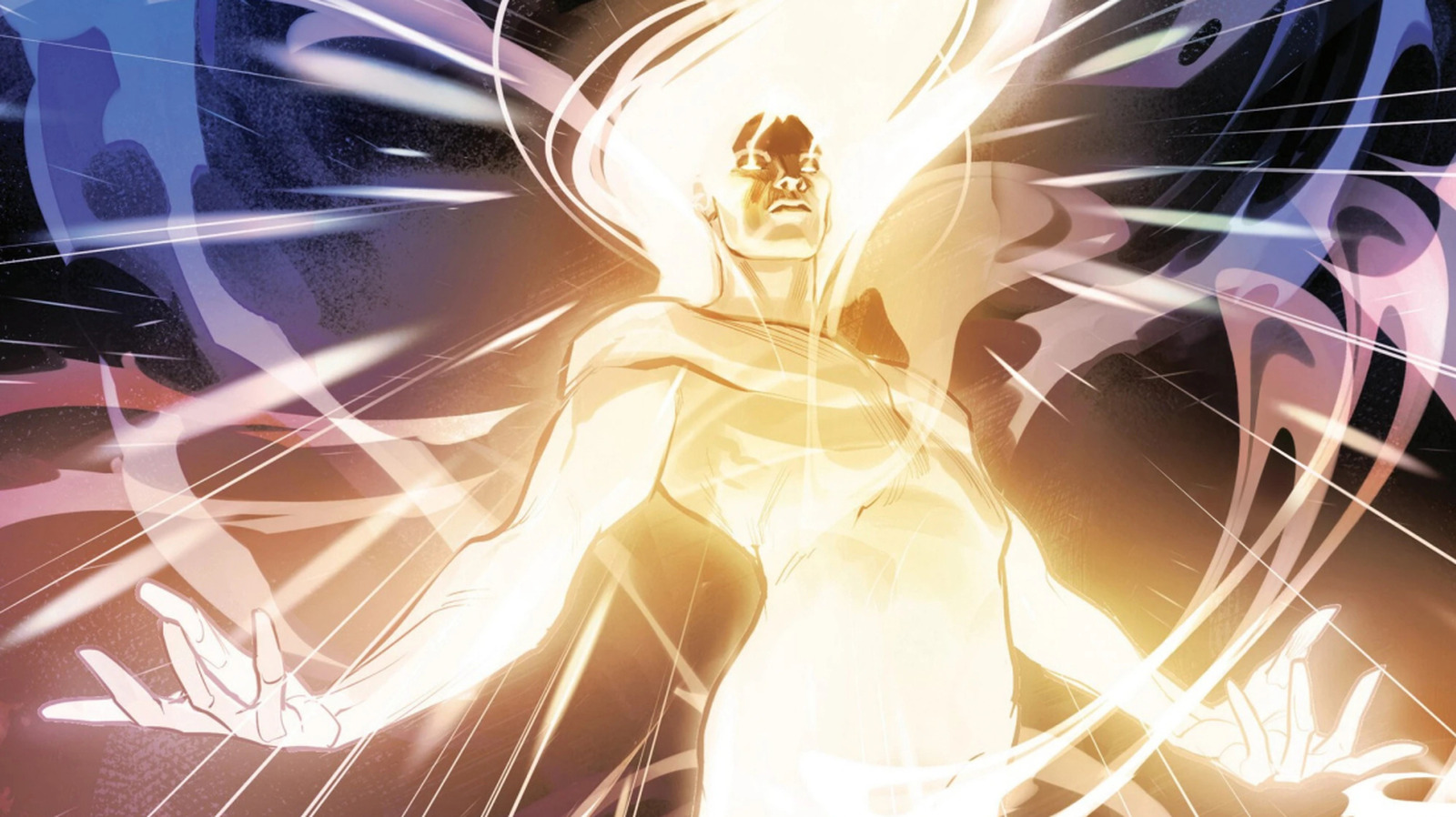
"The Dark Phoenix Saga" is often conflated with the original "Phoenix Saga." In "X-Men" #100, the team has to pilot a space shuttle back down to Earth, and Jean uses her powers to help, aware she may be sacrificing herself. In issue #101, she then emerges from the ocean transformed: She's called the Phoenix because she rose from the dead more powerful. This also gives the book over two dozen issues of Jean as only the Phoenix before her power and Mastermind begins corrupting her.
2019's "Dark Phoenix" explicitly tried to combine the two sagas into one, using the space shuttle sequence as the opening set piece and then running right into Jean's (Sophie Turner) heel turn. The movie also embraced the later retcon that the Phoenix was not some power residing within Jean but a cosmic entity possessing her. Does bringing in a magic fire bird diminish the story? The Phoenix Force is "fire and life incarnate," the personification of living beings' will to advance and evolve through the destruction of others. That makes it a fitting villain for "X-Men," a story about evolution.
"Brand New Day" already teased how powerful Jean is even without the Phoenix Force, when Damage Control's Bill Metzger (Tramell Tillman) says her telepathy exceeds Sara's. Metzger's experiments boost that mutant power, amping Jean's telepathy and unlocking her telekinesis. Jean, in a very Dark Phoenix move, then holds whole blocks' worth of people frozen in place.
By showing what Jean Grey does with great power, and establishing she has more than a small seed of darkness in her already, "Spider-Man: Brand New Day" has done some legwork to setting up the Dark Phoenix's fiery entrance.
"Spider-Man: Brand New Day" is playing in theaters.



 English (US) ·
  Indonesian (ID) ·